


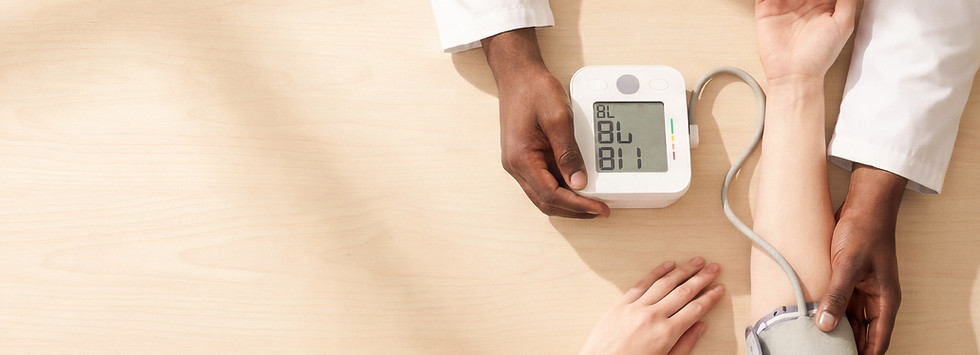
How a Dietitian Can Help With High Cholesterol & Heart Health
High cholesterol can be confusing, especially when you’re trying to figure out which foods actually matter. Faiqua helps you understand your numbers and make practical nutrition changes that support cholesterol, triglycerides, blood pressure and overall heart health.
Understand your cholesterol & heart health
Learn how LDL, HDL, triglycerides, blood pressure, blood sugar and other health factors can connect with your overall heart health.

Build heart-healthy meals
Get practical guidance around fibre-rich foods, healthy fats, protein, whole grains, vegetables, portions and everyday meal choices.

Make changes that fit real life
Create an eating approach that works with your culture, family, routine and favourite foods instead of following another restrictive diet.
What to expect at your Initial Nutrition Assessment
A relaxed, one-on-one session where we look at the full picture and create a plan that fits your health, lifestyle and goals,
1
2
3
Your health & goals
Your food & lifestyle
Your next step
Review your cholesterol results, triglycerides, blood pressure, blood sugar, medications, health history and what you’d like to improve.
Talk through your usual meals, cooking habits, schedule, culture, preferences and any challenges you’re running into.
Leave with personalized nutrition priorities and practical changes you can start working on in everyday life.
Weight management care backed by experience
Faiqua Khalid is a Registered Dietitian and Certified Diabetes Educator with 14+ years of experience supporting people with weight management, diabetes, fatty liver, high cholesterol and other metabolic health concerns.
Her approach is evidence-based, practical and personalized to real life.

Frequently asked questions

Can a dietitian help lower cholesterol?
Yes. A Registered Dietitian can help you understand your cholesterol results and identify nutrition changes that may help improve LDL cholesterol, triglycerides and overall heart health. Faiqua can help you build practical meals around fibre-rich foods, healthy fats, protein and other heart-healthy choices while taking your health, medications, culture and lifestyle into account.
What should I eat if I have high cholesterol?
There is no single “cholesterol diet.” A heart-healthy eating pattern generally includes more vegetables, fruit, whole grains, beans and lentils, nuts and seeds, fish and other lean proteins, along with sources of unsaturated fat. Soluble fibre from foods such as oats, barley, beans and lentils can be particularly helpful for lowering LDL cholesterol.
Can high cholesterol be lowered with diet?
For many people, nutrition and lifestyle changes can improve cholesterol levels, although the amount of change varies from person to person. Genetics, medical conditions, medications and overall cardiovascular risk also matter, so some people may need cholesterol-lowering medication in addition to nutrition changes. Prescribed medication should not be stopped or changed without speaking with your healthcare provider.
How can I lower high triglycerides with food?
Nutrition can play an important role in managing triglycerides. Depending on your health and triglyceride level, helpful changes may include reducing added sugars and highly refined carbohydrates, limiting alcohol, choosing more fibre-rich foods and replacing saturated fats with unsaturated fats. A dietitian can personalize these changes around your usual meals and other health conditions.